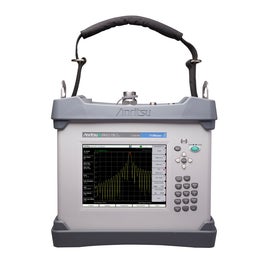
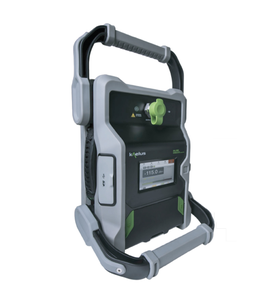
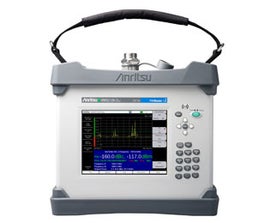
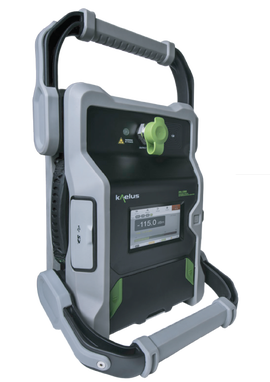
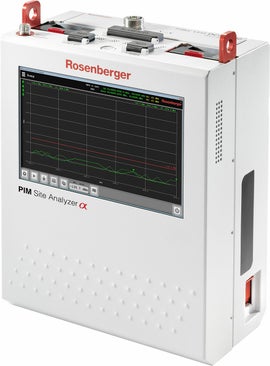
Hidden interference can degrade network performance, making a reliable PIM tester essential for pinpointing the source. Passive intermodulation (PIM) often reduces signal quality in high-density cellular and RF environments. Electro Rent offers trusted PIM testers that detect even minor interference and performance issues in your infrastructure.
Whether you are deploying new sites or servicing existing ones, our PIM tester rentals provide flexible, cost-effective access to advanced diagnostic equipment. Our solutions support a wide frequency range and deliver accurate, reliable measurements for both laboratory and field applications.
Each unit is sourced from trusted manufacturers and supported by our experienced technical team across India, ensuring reliable testing results. For comprehensive needs, many customers combine PIM testing with our RF test equipment rental enabling efficient multi-stage testing without the expense of permanent ownership.
With Electro Rent, you receive more than Certified Pre-Owned test equipment. You gain a trusted partner committed to precision, flexibility, and value.
Need to identify signal issues? Contact us today to explore proven PIM testing solutions for network testing across India.
Frequently Asked Questions
- What is PIM and what causes it?
Passive Intermodulation is a problem where multiple frequencies interact in a non-linear junction (sometimes a result of contamination, loose mechanical junctions, or poorly prepared connections), leading to the creation of new signals at different frequencies. These interfere with the original signals, causing problems such as increased noise, a reduction in signal quality, and even sometimes cause the system to fail. This can be a problem in cellular systems which are subject to high RF power levels and can be detrimental to the performance and capacity of the system.
- Do I need specialised equipment for testing PIM levels?
Although it's possible to carry out PIM testing using a combination of a signal generator, spectrum analyzer, and some other components, specialised PIM testers are preferable for testing cables and antennas in the field. These instruments are designed to be robust and portable with easy-to-use interfaces and automated test data collection features.
- What are the best PIM analyzer manufacturers?
Anritsu is one of the leading manufacturers of PIM analyzers, offering a range of top-of-the-line portable instruments for all your PIM measurement needs. Designed for use in a range of environments, Anritsu PIM analyzers can be used in the field or lab. Kaelus is another reputable manufacturer that is known for their PIM analyzers which are highly reliable and accurate, while another excellent brand for your PIM testing needs is Rosenberger which offers great ease of use.
- What is the frequency range of PIM testing?
While the frequency range of PIM testing depends on the communication system being tested, a typical range for cellular networks may be 700 MHz to 2700 MHz. However, some PIM test devices may measure a wider range.
- What's the difference between PIM testing and line sweeping?
Line sweeping and PIM testing are two different types of tests that are often undertaken for communications systems including antennas and more. While PIM testing looks specifically for PIM problems within the device or system, line sweeping instead measures the reflections and signal losses within a transmission system.
- What output power levels are used in PIM testing, and why does it matter?
PIM testers use two high-power tones, often at 20W or 40W per tone, to stress the passive components in a system to elicit intermodulation issues. Only high power, as opposed to normal signal levels, can uncover the PIM problems that are obscured on hidden levels within the components sufficiently to stress the problems out in the open. They’re necessary to verify real-world performance in antenna systems, cables, and connector
- Can PIM testers also measure return loss or VSWR?
Yes, many modern PIM testers include built-in return loss or VSWR measurement capabilities. They allow you to check both passive intermodulation and reflection characteristics in a single test session. This can be crucial when troubleshooting antenna systems since these two failure modes can degrade network performance.
- Are portable PIM testers available for field use?
Of course. Most PIM testing equipment is housed in rugged, battery-powered enclosures designed for operation in the field or on a tower. Portable systems are designed and manufactured to survive rough field conditions and often include user-friendly touch screens and automatic test sequences for simplified, on-the-go diagnosis.
- Can a PIM tester identify the location of a fault?
Some PIM testers have Distance-to-PIM functionality, which estimates how far down the transmission line the PIM source is. It helps technicians identify whether the issue is near the antenna, cable run, or connector quickly, cutting down on the time spent tracing the fault manually.
- What types of connectors and test cables are required for PIM testing?
PIM testing requires low-PIM rated connectors and test cables to avoid artificial results. There are 7/16 DIN, N-type, and 4.3-10 common connector types, depending on the system. It’s crucial to make sure everything you use meets PIM performance standards.
- Is it better to rent or buy a PIM analyzer?
When choosing whether to rent or buy PIM test equipment, it's important to consider your budget and needs. If you only need the instrument for a short period of time, renting is a great way to maintain flexibility and keep costs down. If you need a long-term PIM solution, rental can also be a good option with low-cost, long-term rates available. You might also want to consider buying a used analyzer, which is often a more affordable solution for your projects.
- Why buy a certified pre-owned PIM analyzer?
Buying certified pre-owned PIM equipment is a great way to access top-of-the-range instruments from leading manufacturers at a fraction of their regular price. All our certified pre-owned products have undergone rigorous testing to ensure quality and accuracy. We only choose top-quality instruments from brands we trust to ensure that you never have to compromise on quality.